Agentic AI: The Future Beyond Generative AI
Discover Agentic AI — the next evolution of artificial intelligence. Learn how to build AI agents, key tools, top companies, and real-world applications

Artificial Intelligence (AI) has reshaped how the world operates — from chatbots answering questions to algorithms predicting market trends. But a new evolution is underway: Agentic AI.
Unlike older systems that respond to commands, Agentic AI — or Agent AI — is designed to think, decide, and act independently. It's not just smart; it's capable. It can plan, reason, and perform complex tasks without step-by-step instructions.
In this article, we'll explore what Agentic AI is, how to build AI agents, the difference between Agentic AI and Generative AI, and how global tech giants like Google, Microsoft, IBM, ServiceNow, and OpenAI are leading this transformation.
What Is Agentic AI?
Agentic AI is an advanced form of artificial intelligence that gives digital systems autonomy — the ability to take initiative, analyze environments, and execute tasks intelligently.
Agentic AI Definition
Agentic AI is artificial intelligence with agency — meaning it can plan, decide, and act toward achieving goals, continuously learning from its results.
In simple terms, an AI agent built with agentic capability doesn't just generate content like a chatbot; it performs real actions. For example, it can automatically read your emails, schedule meetings, send replies, or analyze documents.
This makes Agentic Artificial Intelligence a significant step forward from conventional automation.
Definition and Meaning of Agentic
"agentic" comes from "agency," meaning the power to take action.
- Agentic Definition: having the ability or tendency to act independently and make decisions.
- Definition of Agentic: possessing initiative, autonomy, and purposeful behavior.
So when we say an AI system is agentic, we mean it doesn't just react — it acts intelligently.
What Is an Agent in AI?
In AI, an agent is any software entity that perceives its environment, makes decisions, and acts to achieve objectives.
Traditional agents could only perform simple reactions, but Agentic AI agents can now analyze, plan, and coordinate multiple actions using advanced generative reasoning models like GPT-4 or Claude.
Agentic AI vs Generative AI
One of the most common questions people ask is about Agentic AI vs Generative AI — and understanding the difference is key.
- Generative AI (like ChatGPT or DALL·E) is focused on creating content — text, images, or code — based on given prompts.
- Agentic AI focuses on taking those generated ideas and executing them in the real world.
In short:
Generative AI creates. Agentic AI acts.
Many experts say Agentic AI is the "next phase" beyond generative systems.
The Agentic Framework and Development
The Agentic Framework provides the foundation for building these intelligent agents. It typically includes four major components:
- Perception: Collecting data from tools, APIs, or environments.
- Reasoning: Understanding objectives and forming plans.
- Action: Executing those plans effectively.
- Learning: Improving from outcomes and feedback.
AI agent development involves connecting these parts using modern tools and machine-learning techniques.
Professional AI agent development companies offer AI agent development services to help businesses deploy agents for customer service, analytics, or automation.
Agentic AI Tools
Developers now have access to several Agentic AI tools to create and deploy these systems:
- LangChain – helps link large language models with real-world tools and APIs.
- CrewAI – enables multiple agents to collaborate and divide tasks.
- AutoGPT – performs self-directed tasks using GPT models.
- AgentGPT / BabyAGI – experimental, open-source projects for autonomous agents.
These tools make it easier for developers to build AI agents capable of independent reasoning and action.
Agentic AI in Global Tech Companies
Big tech is heavily investing in Agentic AI and integrating it into its ecosystems.
- Agentic AI Google: Google is researching agentic systems that transform Workspace apps into intelligent assistants capable of acting on your behalf — not just suggesting but doing.
- Agentic AI Microsoft: Microsoft has embedded agentic principles into Copilot, enabling it to automate work in Word, Excel, and Outlook autonomously.
- Agentic AI IBM: IBM's WatsonX platform is evolving toward agentic capabilities, helping enterprises make data-driven decisions with minimal human intervention.
- Agentic AI OpenAI: OpenAI is pushing boundaries with GPT-4, GPT-5, and future agentic models, enabling reasoning, multi-step planning, and interaction with software tools.
- Agentic AI ServiceNow: ServiceNow builds agentic systems for IT automation — self-healing systems that can diagnose and fix problems without manual help.
Together, these examples show that Agentic Artificial Intelligence isn't a concept of the future — it's already here.
Agentic AI Examples
Here are some real-world examples of Agentic AI in action:
- Virtual executive assistants that plan, schedule, and email automatically.
- Smart customer support bots that resolve complex queries without escalation.
- Research agents that summarize large data sets and generate insights.
- Financial agents that track investments and optimize portfolios.
- Workflow managers that connect tools like Slack, Notion, and Jira seamlessly.
These examples prove that agentic systems transform how we work and interact with technology.
AI Agent Development and Services
Creating an agentic system requires expertise. That's why many businesses work with specialized AI agent development companies or hire AI agent developers to bring these intelligent systems to life.
A professional AI agent developer designs the architecture, integrates APIs, and trains the model to reason, act, and adapt. They also provide continuous AI agent development services for optimization, ensuring the agents perform efficiently and ethically.
How to Build an AI Agent
Want to build an AI agent yourself? Here's how you can begin:
- Identify the goal your agent should achieve.
- Choose the proper agentic framework or AI tool.
- Integrate a generative model (like GPT-4) for reasoning and decision-making.
- Connect APIs for data access and task execution.
- Add a feedback or memory system for learning.
- Test and monitor your agent's actions for safety and performance.
Even a small business can start experimenting with open-source agentic AI tools before scaling up to enterprise-level systems.
Conclusion
Agentic AI represents the next step in the evolution of artificial intelligence — systems that don't just generate answers but take purposeful action.
From Agentic AI Google to Agentic AI Microsoft and OpenAI's autonomous models, the future of AI is about intelligence with initiative. These agents will soon become essential digital co-workers, automating tasks and freeing humans to focus on creativity and strategy.
For organizations, now is the perfect time to explore AI agent development services and partner with an expert AI agent development company to stay ahead in this rapidly changing landscape.
Frequently Asked Questions (FAQ)
1. Is ChatGPT an agentic AI?
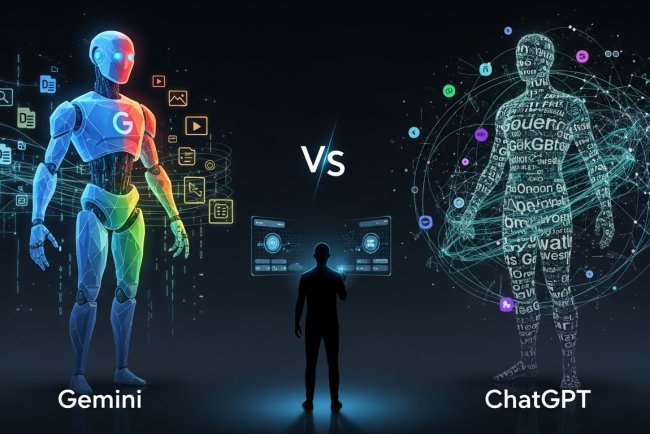
Not exactly — ChatGPT is primarily a generative AI, meaning it creates text based on prompts. However, when combined with external tools or automation frameworks (like LangChain or AutoGPT), it can become part of an agentic AI system capable of taking autonomous actions.
2. What is the difference between generative AI and agentic AI?
Generative AI creates outputs — text, code, or images — based on instructions.
Agentic AI focuses on acting — it plans, reasons, and performs tasks independently.
In short, Generative AI writes the plan; Agentic AI executes it.
3. Does agentic AI exist yet?
Yes, it does — though it's still evolving. Tools like AutoGPT, CrewAI, and OpenAI's advanced models already display agentic behavior, performing autonomous actions. Major companies such as Google, Microsoft, IBM, and ServiceNow are actively developing enterprise-grade agentic AI systems that can function as intelligent digital assistants.
What's Your Reaction?